

.jpeg)
In this article
October 2025 will go down in the history of the European cryptocurrency market as the month when regulators began reaching deeper than ever before —not only into users’ wallets, but also into their security. ESMA, the European Commission, and national supervisory authorities are presenting their reforms as “steps toward security.” However, from the perspective of citizens and cryptocurrency users, this increasingly looks like creeping centralization and control aimed at limiting our financial autonomy.
🧱 From freedom to surveillance: Warnings instead of trust
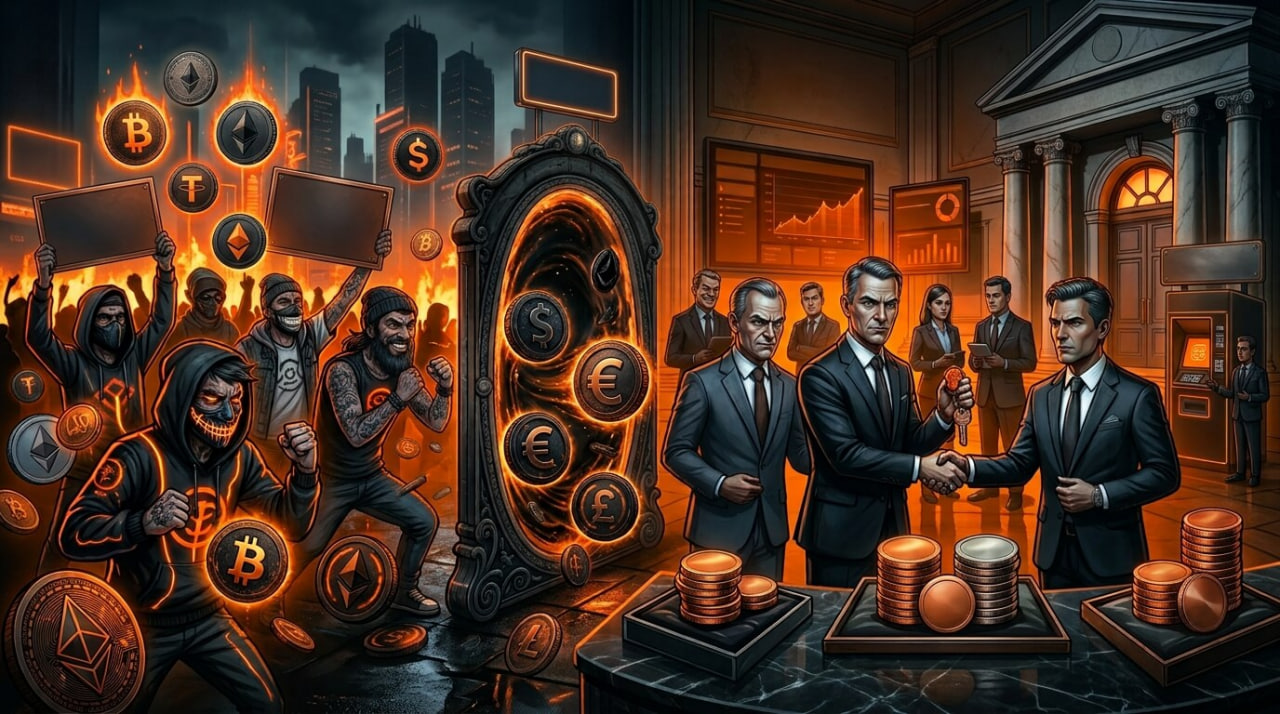
Until a few years ago, cryptocurrencies symbolized freedom - an escape from a banking system that had failed many. Today, European institutions warn of the "danger" of investing in cryptocurrencies, while gradually musing on how to bring this market fully under supervision.
On October 5, European regulators, including ESMA, issued a statement full of paternalistic tones. Rather than educate, they warn:
"Consumers should be aware of the limited legal protection."
But is it really about protection, or is it more about discouraging citizens from exercising financial independence?
Every cryptocurrency user in the EU is supposed to be increasingly dependent on "authorized" providers - registered, supervised and reporting every transaction. Freedom of choice? Increasingly theoretical.
⏱️ T+1 - fast, efficient, but under the magnifying glass
On October 13, ESMA proposed a reform that, at first glance, seems harmless: shortening the settlement cycle to T+1, meaning that transactions would be settled within one day. It sounds good—faster transactions, greater liquidity.
However, beneath the surface of this technical language lies something more: the full automation and standardization of every financial transaction in a system where security disappears.
"Machine-readable data," "automated confirmations," "failure reporting." - these buzzwords from ESMA documents mean that every transaction will become a footprint in the digital control system.
There will be no more room for private transfers, alternative exchanges or independent peer-to-peer settlements. Everything - even errors and delays - is to be reported and monitored.
It's not just speeding up processes. It's a digital bungling of the market that eliminates freedom of action in the name of "efficiency."
💰 Stablecoins: stable.... because under supervision
The European Commission on October 10 announced that current regulations are enough to control stablecoin. But behind that statement is another step toward oversight.
Stablecoin issuers will have to provide detailed reserve data, report flows and prove compliance with MiCA.
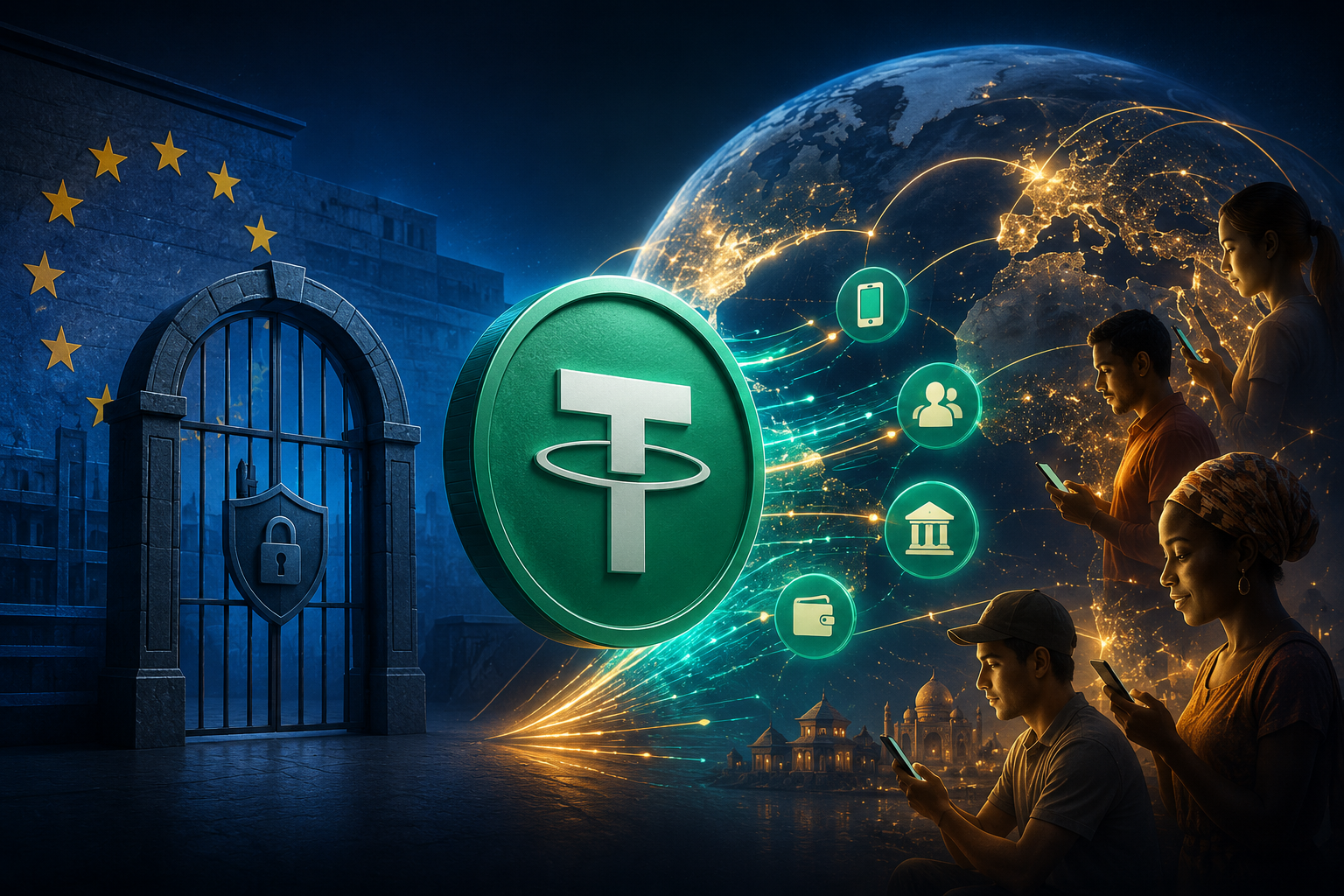
For users, this means one thing: the end of private stablecoins.
Cash transactions in USDT or USDC that comply with the operator’s rules are becoming increasingly difficult, and over time may simply be blocked. In a world where every transaction is tracked and audited, stability means something else— stable control over your funds.
🏛️ Europe creates "crypto-Section 230": central oversight of all
France has officially called for the largest cryptocurrency companies to be directly supervised by ESMA.
This is no longer just national oversight. It's the seed of a new European "super regulator" that will decide who can operate in the industry and who will be cut off.
Under the guise of harmonization and unification of supervision lies something much more dangerous - the centralization of financial power.
This is what cryptocurrencies were supposed to protect against. Today, we see how regulation is taking away this protection step by step.
🔒 Is it still security or already financial oversight?
Officially, it’s about “consumer protection.” In practice, it’s increasingly about restricting their freedom.
Security restrictions, mandatory reporting, and authorized intermediaries—these are elements of a new system in which every transaction is visible, and every user can be easily identified and, if necessary, blocked.
The world of cryptocurrencies, built on the idea of trust without intermediaries, is becoming a world of intermediaries without trust.
🧨 Summary: control dressed up with regulation
October 2025 shows that cryptocurrency freedom in Europe is shrinking.
Behind the words about "security" and "efficiency" lies the reality that:
- Each transaction will be reported,
- Each supplier will be under close supervision,
- Each user will become part of a system that knows his every move.
MiCA and the ESMA reforms do not mark the end of the evolution of cryptocurrencies. They mark the end of their revolution.
Instead of a free market for digital assets, a system is emerging in which user security and autonomy are a luxury—not a right.
.png)