

%20(1).png)
2222222222222%252520(1)%252520(1)%252520(1).png)
In this article
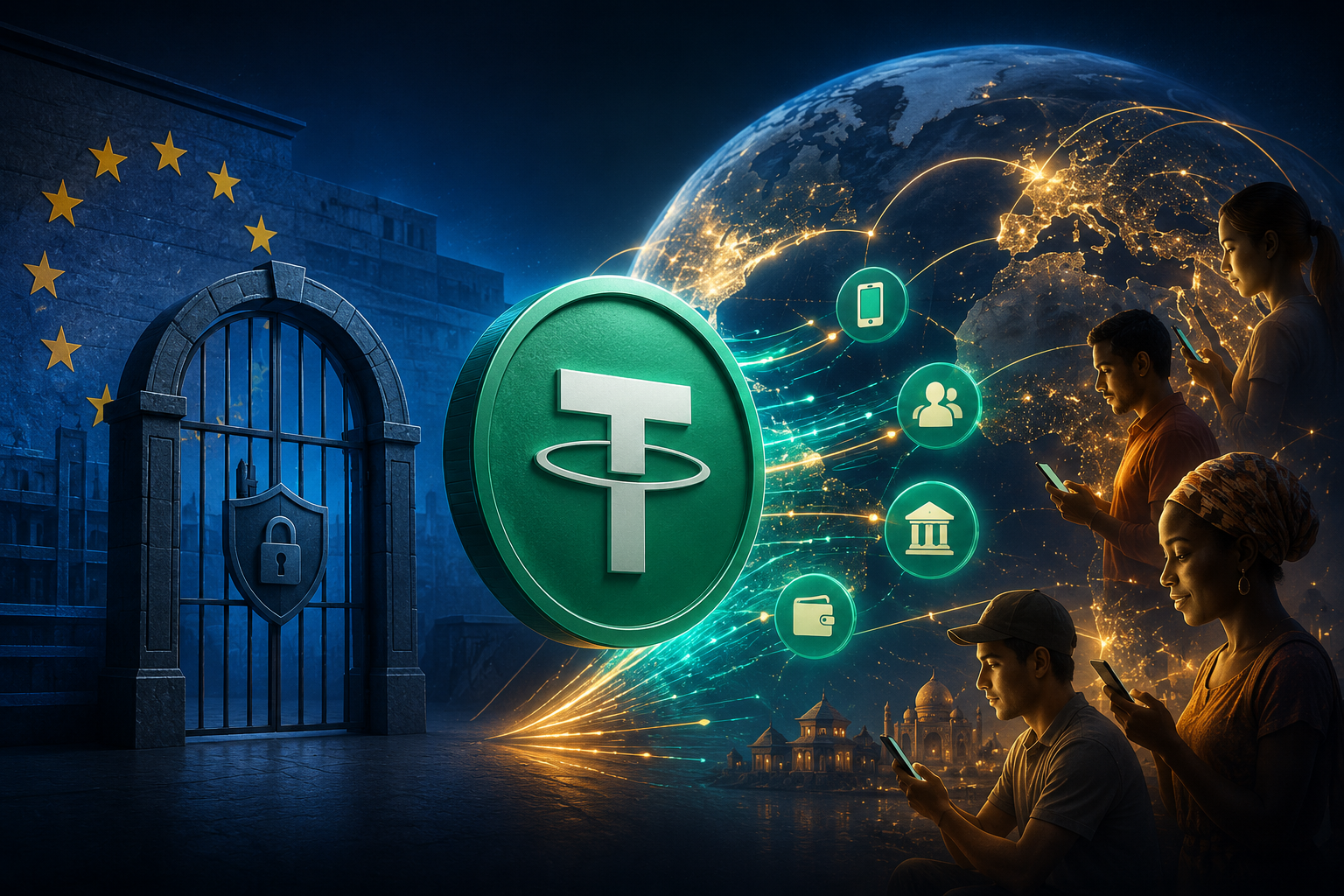
KYC at a Bitcoin ATM means identity verification. There is no universal EUR 15,000 threshold for all devices below which you can assume that identification is unnecessary. Check the relevant operator’s requirements before depositing funds or sending cryptocurrency.
Content updated: October 7, 2026. Previous information regarding the postponement of KYC until March or September 2025 is no longer the current user guide for Bitcoin ATMs. Bitomat.com is an aggregator of locations and information; it is not an operator of devices or an entity that verifies transactions.
MiCA, KYC, and the Travel Rule: Three Different Issues
- MiCA: Rules governing the operations of entities providing crypto-asset services, including authorization and customer protection.
- KYC and AML: Customer identification and broader anti-money laundering measures.
- Travel Rule: information accompanying transfers of funds and certain cryptoassets, regulated separately from MiCA.
ESMA describes the scope of MiCA, and the EBA specifies that the Travel Rule guidelines apply from December 30, 2024. The transitional period for authorization does not constitute a general exemption from identity verification.
What has changed since 2025?
The MiCA provisions regarding crypto-asset services began to apply on December 30, 2024. Certain entities that had previously operated in accordance with national law were able to benefit from transitional rules allowing them to continue their operations. Member States could shorten this period or choose not to apply it.
Article 143(3) of MiCA set the latest end date for this period as July 1, 2026, or earlier—in the event that authorization is granted or denied. That deadline has already passed. ESMA’s June 2026 statement explains the end of the period and the need to verify the service provider’s authorization.
Prior VASP registration should not be equated with CASP authorization under MiCA. ESMA also clarifies that the MiCA transition period did not exempt entities from the obligations under Regulation 2023/1113.
Does a withdrawal limit mean there's no KYC?
No. The device’s transaction limit, the amount of cash, and the identification requirements are separate matters. Do not treat the historical amounts of 990 EUR or 15,000 EUR as a guarantee that transactions will be processed without verification. The operator may request documents or additional information even for smaller amounts.
Check the documents, scope of verification, and identification procedures in the current terms and conditions for the specific service. See also the explanation of withdrawal limits and the KYC and AML guide. Do not split transactions to circumvent verification.
What should you check before visiting a Bitcoin ATM?
- Determine the operator for the selected device, the service's availability, and the verification requirements.
- Check the access hours, status, cash availability, exchange rates, and fees.
- Have the required, valid document and your wallet address on a supported network ready.
- Keep the confirmation and the operator's support contact information. If a transaction is put on hold, ask about the next steps.
A location map helps you compare locations, but the mere presence of a device on the map does not in itself confirm the operator’s authorization. In the EU, verify the entity and the scope of its services in the ESMA register and the register of the relevant supervisory authority. Submit documents only through the operator’s verified channel; never share your wallet recovery phrase.
Frequently asked questions
Does having your own wallet bypass verification?
Don't assume that. Using your own wallet does not remove transfer requirements or the operator’s checks. Confirm the requirements before beginning the transaction.
Does Bitomat.com approve the transaction?
No. The aggregator helps you find and compare locations. The relevant operator handles the device’s terms of use, verification, and transaction settlement.
Do the same rules apply in every country?
No. You need to check the requirements for your country and the specific service provider. Do not apply thresholds or instructions from another country to your transaction.